
Sexuality
What is sexuality? Sexuality describes your physical, romantic, and emotional attraction to others. It exists on a broad spectrum, and your experience of attraction can evolve over time. You don’t always need a label — how you experience attraction is unique to you.
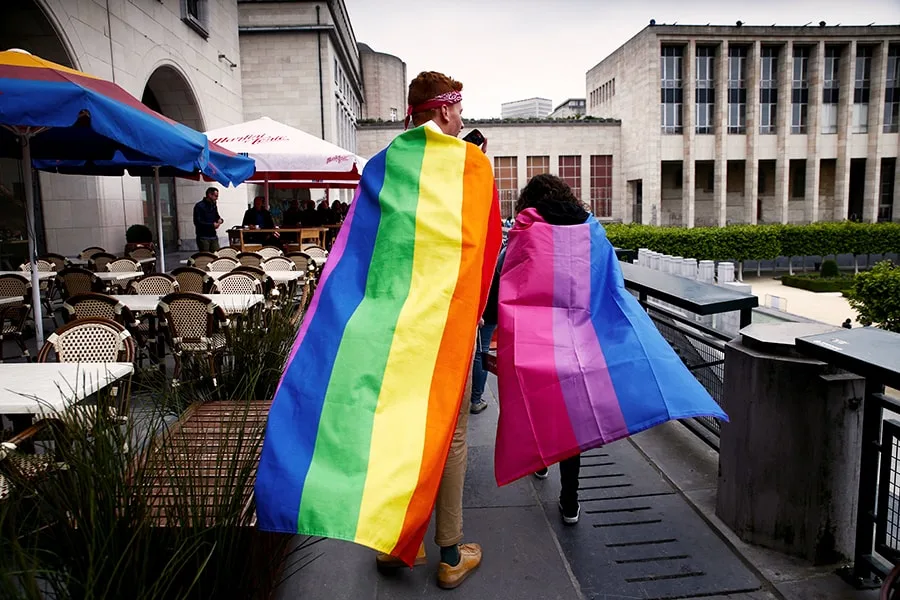
Sexuality can shape a huge part of your identity, guiding who you feel drawn to physically, romantically, and emotionally. It centres on your internal desires, your feelings, and the meaningful connections you build with other people. Attraction sits on a broad spectrum, so people use many words to capture their experience, including lesbian, gay, bisexual, pansexual, queer, asexual, or straight. Gender identity and sexuality operate independently; who you are as a person remains distinct from who you find yourself attracted to.
Exploring this part of yourself unfolds as a natural process over time. Sudden clarity might hit at a young age, or your romantic and physical interests might shift and evolve as life moves forward. Every feeling you have remains valid, and no universal timeline dictates when you need to have things sorted out. Certain people find real comfort in specific labels, whereas others prefer avoiding tags altogether. External pressures like body image worries or anxiety around homophobia can pop up, but you deserve full respect every step of the way.
Coming out The term ‘coming out’ is often used when someone publicly reveals their sexuality. If coming out feels like a goal, keep in mind that deciding when, how, and who to tell is entirely up to you. You don't need every answer mapped out before speaking your truth. Whether your direction feels clear or still pretty open-ended, the path is yours to define. Living authentically and connecting with a community that welcomes you as you are makes all the difference.










Related topics
Frequently asked questions about sexuality
At its core, sexuality describes the way you experience attraction, desire, and emotional connection towards others. Because it spans a wide spectrum, it rarely fits into rigid boxes. You might find yourself identifying as gay, lesbian, bisexual, pansexual, asexual, straight, or something else. Attractions can also feature a degree of fluidity, meaning feelings might shift as you gain new life experiences and learn more about what feels genuine to you. Read our guide to understanding sexuality.
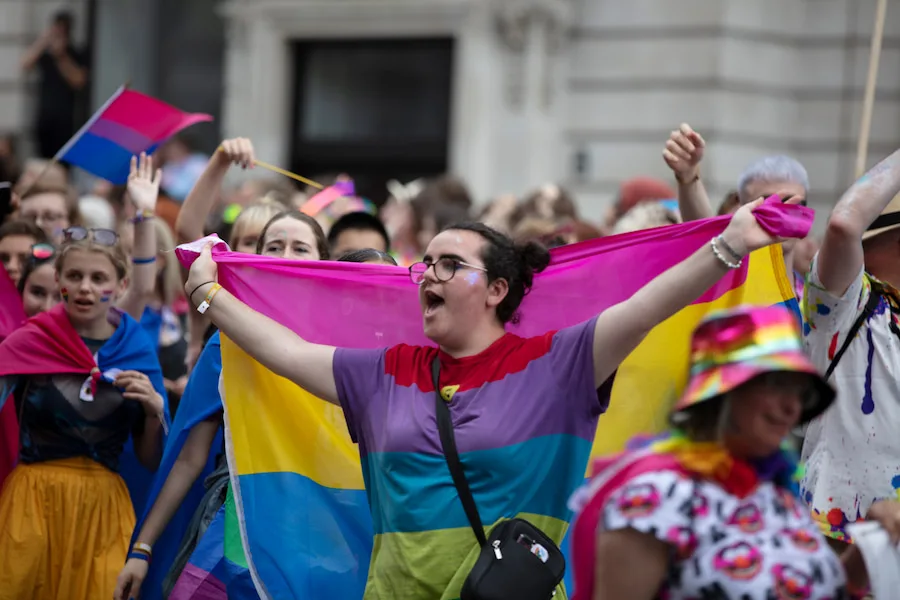
LGBTQIA+ brings together a wide range of sexualities and gender identities under one umbrella. The acronym represents Lesbian, Gay, Bisexual, Transgender, Queer (or Questioning), Intersex, and Asexual, while the "+" holds space for many other identities, including pansexual, non-binary, and mob-specific terms like Sistergirls and Brotherboys. These descriptors exist to help people build community and find pride, though choosing to use a label remains entirely optional. Read our guide to understanding sexuality.
Uncovering your sexuality involves tuning in to your own feelings rather than passing a rigid test. Notice who catches your attention, who features in your thoughts, or whose presence sparks romantic feelings. Reading about the personal journeys of others or chatting with trusted peers helps put things into perspective. Rushing to find a permanent label rarely helps; what feels accurate right now might stay the same or change down the track, and both outcomes are completely fine. Read our guide to understanding sexuality.
Coming out simply means choosing to share your sexuality or gender identity with others on your own terms. No set rules exist for this; some prefer sharing the news with one close friend at a time, while others favour a broader approach. Prioritising your physical safety and emotional support comes first, and you never owe anyone this information before you feel ready. Having a backup plan or a trusted ally nearby provides extra peace of mind if worries about negative reactions crop up. Check out these coming out stories.
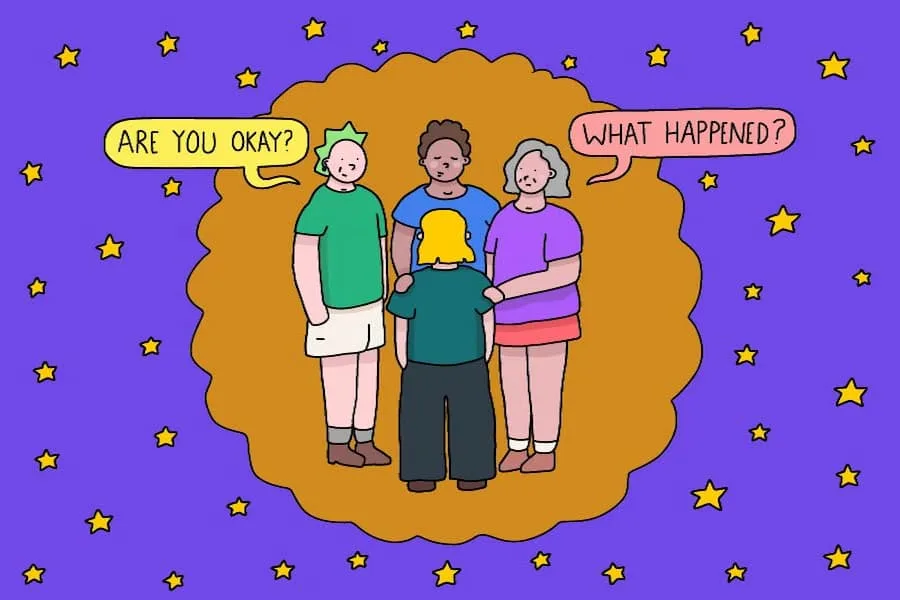
Supporting a friend starts with offering a steady, judgement-free environment where they can drop their guard. If they choose to come out to you, acknowledge the trust they placed in you and ask how you can best stand by them. Consistently honour their preferred name and pronouns, skip intrusive questions about their personal life, and speak up against discriminatory remarks when it feels safe to do so. Simple, consistent acceptance offers a massive boost to their confidence and wellbeing. Find more ways to support your LGBTQIA+ friends.