
Professional help
There are heaps of ways to get professional mental health support, like talking to a therapist, connecting with a peer worker or calling a helpline. These resources explain what different professionals do, what getting help is actually like, and how to find support that works for you.

What are mental health issues?
Learn what mental health issues are, what causes mental illness and common signs of mental health issues.
How to get professional help if you don't have much money
Getting professional support doesn't have to cost lots of money. Here are some free and affordable ways you can get help.

Quiz: What support is right for you?
There are so many options out there for getting professional help. Take this quiz to find one that suits your unique needs.

Types of mental health professionals
Learn about the differences between mental health professionals such as doctors, counsellors, psychologists, psychiatrists, youth workers, social workers, occupational therapists, peer workers and mental health nurses.

Q&A: What's it like to see a therapist?
Bryden and Nasalifya sit down to answer your questions about what it’s like to see a therapist.

How to call a helpline
Calling a helpline is an accessible way to get the support you need. Learn more about what to expect when contacting a helpline.
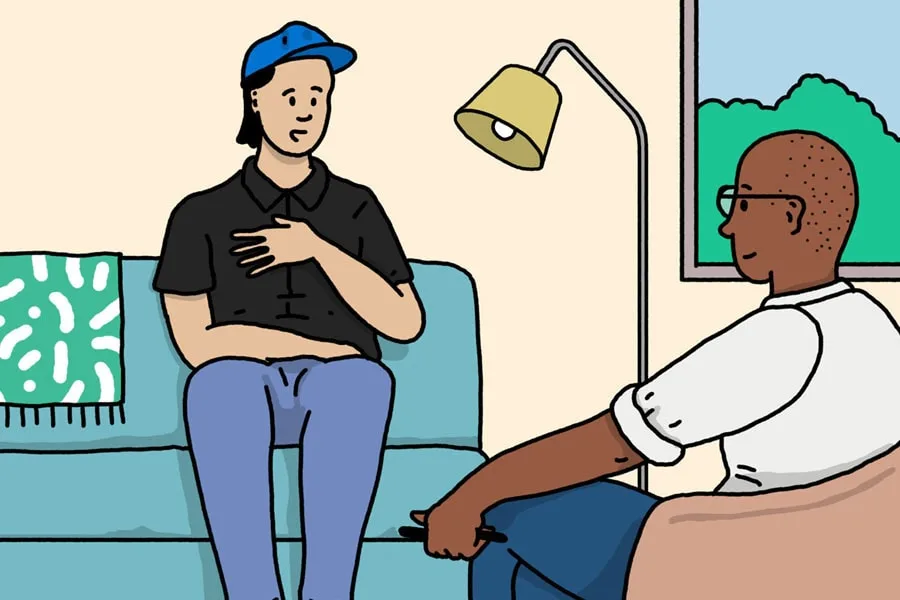
5 tips for choosing the right mental health professional
Read on for a few practical steps to help you choose the right mental health professional for you.
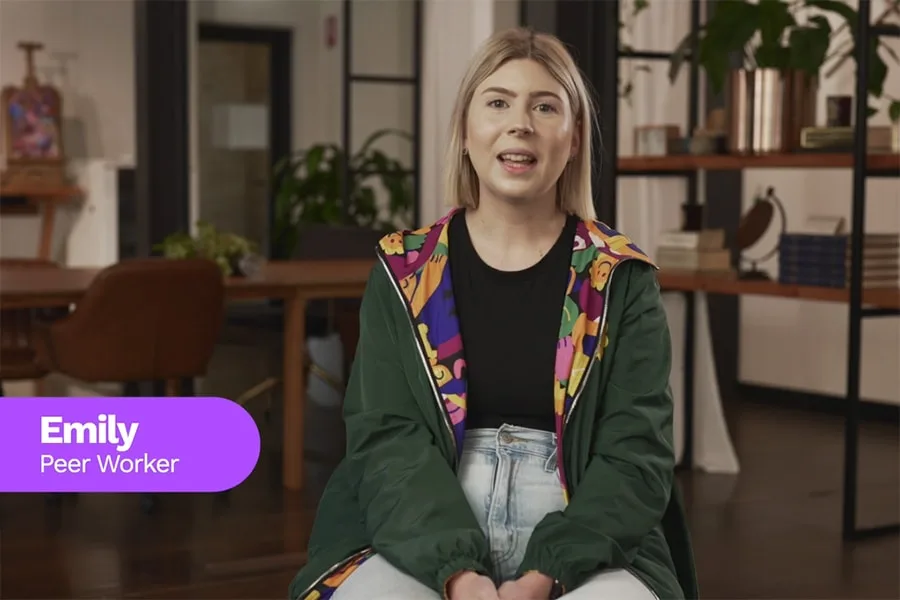
What is peer work and how can it help me?
Peer work is a type of mental health support that many young people find really helpful. Learn more about the benefits of peer work.
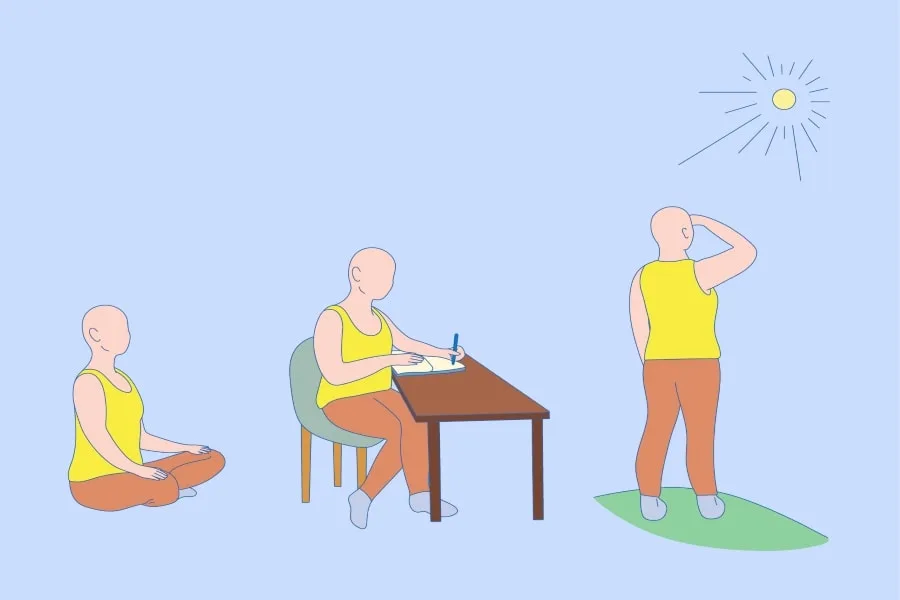
Types of therapy: CBT, ACT, DBT and IFS
Registered psychologist Rashida Dungarwalla breaks down different types of therapy.

Telehealth and more – getting psychological help online
If you’re from a regional, remote or rural area and you’re looking for professional help, telehealth might be useful.

Getting and using a mental health care plan
We’ll help you figure out if speaking to your GP about a mental health care plan is the right move for you, and what to expect once you have one.

Medication
In some cases, medication prescribed by a GP or a psychiatrist can help with mental health issues.

What can you do if nothing is working?
It can be tricky to find the right kind of help for your mental health. If things aren't working, here are some next options you can consider.

What are your healthcare rights?
Health consumers have legal rights in Australia. Consent and treatment are particularly important areas where your health-care rights need to be respected.

Confidentiality and healthcare
Most of what you say to health workers is confidential, and your confidentiality is a high priority in regards to your health-care rights.

How age affects confidentiality
Confidentiality is an important concept in health care. Most of what you tell a doctor is confidential, but your age could affect how this works.