All about psychological treatments

Looking for treatments or therapies to help you tackle a mental health issue? There’s a bunch of different approaches people can take, and they’re useful for different things. Find out about treatments that help you see things differently like insight therapies; treatments that help you change behaviour, and stuff like medication and what it’s for. Work with a mental health professional to figure out what’s right for you.

You might need this if...

  • you’re having difficulties with your mental health
  • you’re not sure what professionals do
  • you want to know what works and why

Different treatments or approaches

There are a lot of different approaches or treatments that you can try to help you deal with problems or manage mental health difficulties. Counsellors, psychologists, social workers, and psychiatrists are likely to specialise in a particular approach, or they may use a number of approaches depending on their training and your needs.

For more information about what the difference is between a counsellor, youth worker, social worker, psychologist or psychiatrist check out our info on different types of health professionals.

Insight therapies

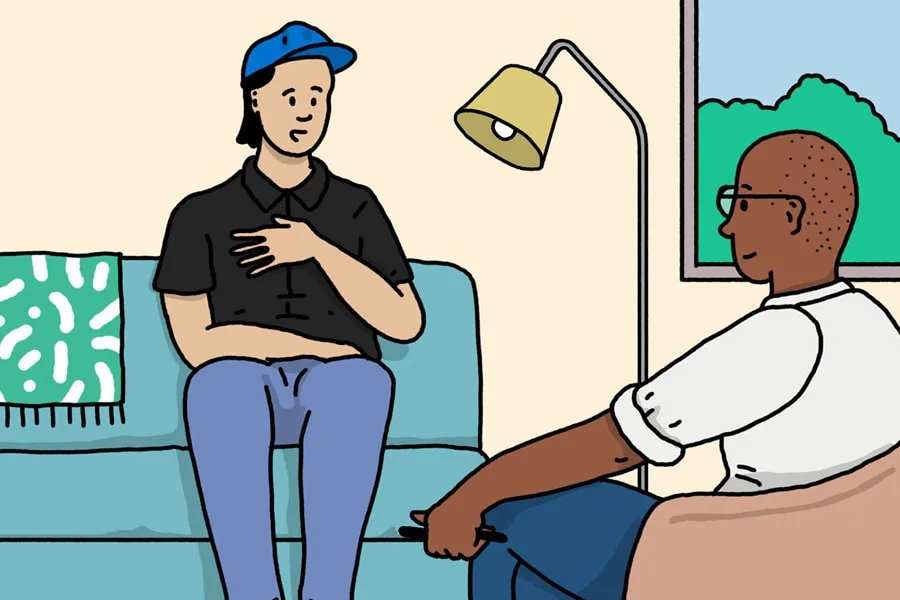
Often known as 'talk therapy'. Talking about your experiences with someone who’s good at figuring out why things are so difficult and who’s good at helping to sort through the possible solutions.

There are a few types of insight therapy including psychoanalysis, psychodynamic approaches, client centred approaches, and cognitive therapy. They’re all big words for different ways of tackling problems, and psychologists or counsellors will work with you to figure out what’s going to work for you.

A common one is cognitive behavioural therapy. This is about a psychologist working with you to change negative thought patterns and behaviour that’s causing you problems. Cognitive behavioural therapy (CBT) is one of the most common forms of therapy.

Behaviour therapies

Behaviour therapies are treatments that focus on changing behaviour patterns and habits. Behaviour therapists will often use some principles of learning, such as providing punishments for bad behaviour and rewards for good behaviour.

This type of treatment might be used to help you change compulsive behaviours, to help with learning problems, or to work on problematic avoidance. It’s something you can choose to do to help get through a tough behaviour habit.

Medication and biomedical therapies

These treatments involve the use of drugs to help manage mental health difficulties. Medication may be used to treat anxiety, psychosis or depression. They can help reduce some of the severe symptoms of a really tough mental health issue, and for a lot of people, drug treatments can help them get to a headspace where they can start challenging negative thought patterns. Everyone is different and it is possible that you may experience side effects.

What works for you

It's not unusual for these treatments and approaches to overlap or for your youth worker, social worker, counsellor, psychologist or psychiatrist to use a combination of approaches to get you where you want to be. If you are seeing someone, talk with them about the approaches that they are using and why they are using them. That way, you can feel more comfortable because you understand what you’re trying to do and how long it might take.

Everyone is different and it may be that while one approach is good for one person it might not suit someone else. It is a good idea to talk to your counsellor, social worker, psychologist or psychiatrist about which approach they are trained in. It is possible that they may use a mixture of techniques to help you.

If you're not finding a particular approach helpful, it may be useful to look at the other options. To find out more about what other young people have found helpful, you may want to check out WhatWorks4U.org where others have shared their treatment experiences and what worked for them.

Last reviewed: 27 February, 2013
Did you find this article helpful?
Thanks for your rating.

Add a comment

Read the commenting guidelines: keep ReachOut.com safe and respectful