
Sex, consent and sexual health
Whether you're having sex or just thinking about it, you've probably got a lot of questions. Am I ready for sex? Will it hurt? How do I talk to my partner about it? Do I share information about past sexual relationships?
Regardless of whether you choose to have sex or not have sex at all, the choice is entirely up to you. What’s important is that you’re consenting and that you’re practising healthy and safe sex with your partner/s. Read more on a range of topics – like questions to ask yourself before you have sex, ways to protect yourself and your partners, whether it’s normal to masturbate, and why it’s okay to not want sex at all.
Find answers about sex
Want tips for talking about sexual health? Get practical strategies to help you communicate.

Your how-to guide for safe sex
Feeling ready to have sex? Find out how to stay safe with this guide. From STIs to contraception, we can answer all your questions.

A guide to the age of consent in Australia
Learn how the age of consent works across Australia, why these laws exist, and how to think about power balances in your relationship.

6 things you need to know about sexual consent
Sexual consent is when you and your sexual partner both agree to have sex. It's really important to be clear on this before things get too hot and heavy.

Things to think about before sharing nudes
Check out our tips on what to think about before you share a nude, to keep things fun, flirty and safe for everyone.

Preparing for your first time having sex
We’ve put together a list of some stuff to consider before, during and after sex.

How to get a sexual health check
The best way to do this is by having regular sexual health checks from your doctor or a sexual health nurse.

What is masturbation?
Learn about what masturbation is, who does it, why it’s healthy, and how to know if it’s becoming a problem.
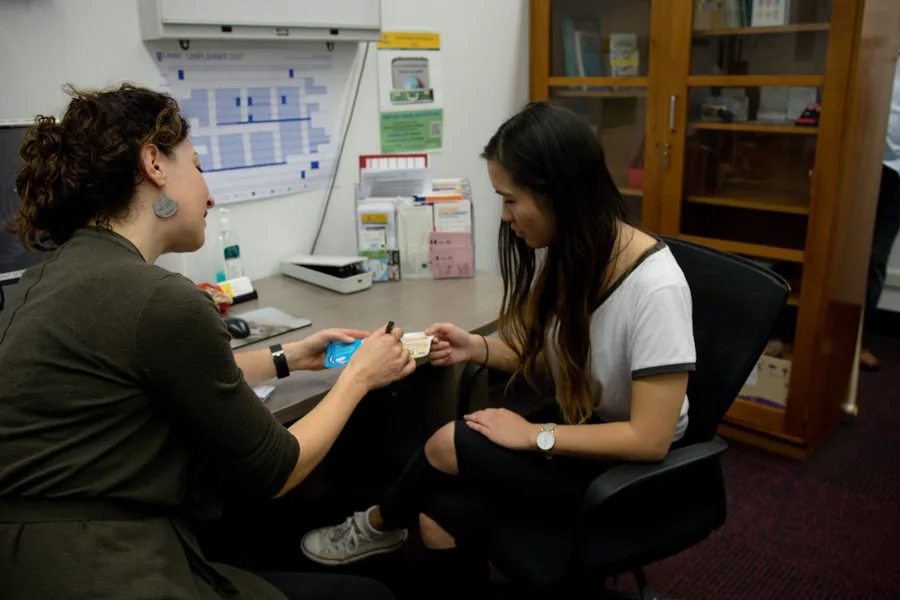
How to talk to your partner about sexual health
Knowing how to talk about sexual health will help protect you and your sexual partners from sexually transmitted infections.
Sharing your sexual history
Sharing your sexual history with your partner can benefit your current relationship if it’s done in the right way.

What to do if you realise a past experience was sexual assault
This article can help you work out if a past experience was sexual assault, how to come to terms with this realisation, and what steps you can take next.

What to do if someone leaks your nudes
If someone 'leaks' or shares your nudes without your consent, there are steps you can take to get the issue sorted and to feel better in the meantime.

Types of contraception and birth control
There are different types of contraception, and all methods have certain side effects and risks. Talk to your doctor about the method that’s best for you.
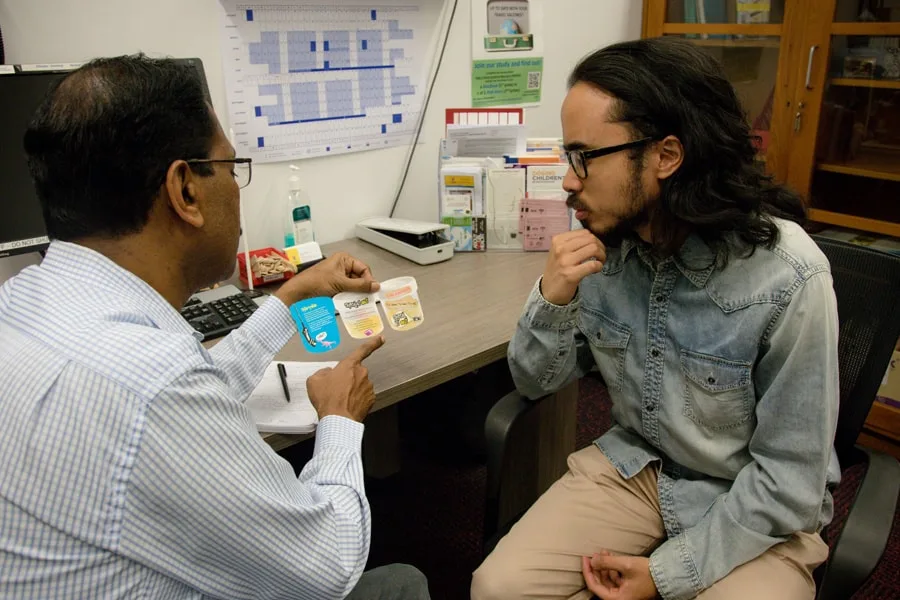
Culturally diverse sexual health services
Got questions about sexual health but you’re worried about cultural or language barriers? Find out about all the culturally diverse sexual health services available to you.

Sexually transmitted infections (STIs)
A sexually transmitted infection (STI) is an infection you get from someone else during sexual activity.
How and when to tell someone you're pregnant
Telling a parent, guardian, grandparent or other ‘grown-up’ that you’re pregnant (or that you got someone pregnant) can be daunting if it wasn’t something you planned on.

Helpful information about abortions in Australia
If you have an unwanted or complicated pregnancy, it’s important that you talk to a reliable and unbiased source about the options that are available to you.

What is asexuality?
‘Asexuality’ describes someone who isn't sexually attracted to people of any gender. Asexuality covers a broad spectrum. Learn more about it here.
Related topics
Frequently asked questions about sex
Sexual health is all about feeling safe, informed, and respected in your body and with your choices. It includes things like understanding sexual consent, practising safe sex, looking after your emotional wellbeing, and having access to accurate information and sexual healthcare.
Good sexual health means being able to make decisions that are right for you, with confidence and support.
In Australia, the average age people first have sex is around 16 to 17, but can sometimes be younger or older. It’s important before you first have sex to feel emotionally and physically ready, and that any sexual experience is safe, consensual, and respectful. Learn more about having sex for the first time.
There are lots of youth-friendly services that can support your sexual health. These include:
doctors and sexual health clinics for things like STI testing, contraception, or questions about your body
family planning clinics in each state/territory, which are confidential and often low-cost or free
school counsellors or youth workers who can help connect you with the right services.
Culturally diverse sexual health services and LGBTQIA+ support services are also great places to get more specific information.
Yes, masturbation is a safe way to explore your body and learn what feels good. It doesn’t harm your body, and it can even help with stress, sleep, or understanding your own boundaries. As long as it's private and not interfering with your day-to-day life or relationships, it's completely healthy.
Absolutely. Everyone experiences sexuality differently, and there’s no rule that says you have to want or enjoy sex. Whether you’re asexual, just not interested right now, or unsure if you’re ready to have sex, your feelings are valid. It’s okay to take your time, set your own boundaries, and choose what’s right for you if and when you’re ready.
There are some great sexual health resources for young LGBTQIA+ people in Australia, including QLife and Minus18. You can find more details in this list of LGBTQIA+ support services and this guide to culturally diverse LGBTQIA+ support services.
Sexual consent is when you and your sexual partner clearly, enthusiastically and voluntarily agree to engage in any kind of sexual activity. It must be given freely every single time, without pressure, force, or being under the influence of drugs or alcohol. Consent is also ongoing, meaning anyone can change their mind at any point. Learn more about what sexual consent is and how it works.
The legal age for consenting to sexual activity is 16 in most of Australia (NSW, VIC, QLD, WA, NT, ACT) and 17 in SA and TAS. These laws are in place to protect young people and ensure that everyone involved is old enough to make an informed decision. It’s also important to be aware of ‘close-in-age’ exceptions and ‘position of authority’ laws that might apply. You can find a full breakdown in our guide to the age of consent in Australia.