3 steps to better communication
Clear, efficient communication is an art form, and it can take a lot of practice to master. Here are some helpful tips to guide you in improving your communication skills, so you can become assertive and confident in getting your message across.
How to effectively communicate
Practise active listening.
Be assertive and confident when expressing your thoughts.
Remember to be mindful of your body language.
Be specific about your message and straightforward when describing what you mean.
Always consider who you are talking to, and adapt your communication style to suit the situation.
Be an active listener
Good listeners ask questions, respect people's right to disagree, and know when to offer help. Learn how to be a great listener with these simple steps:
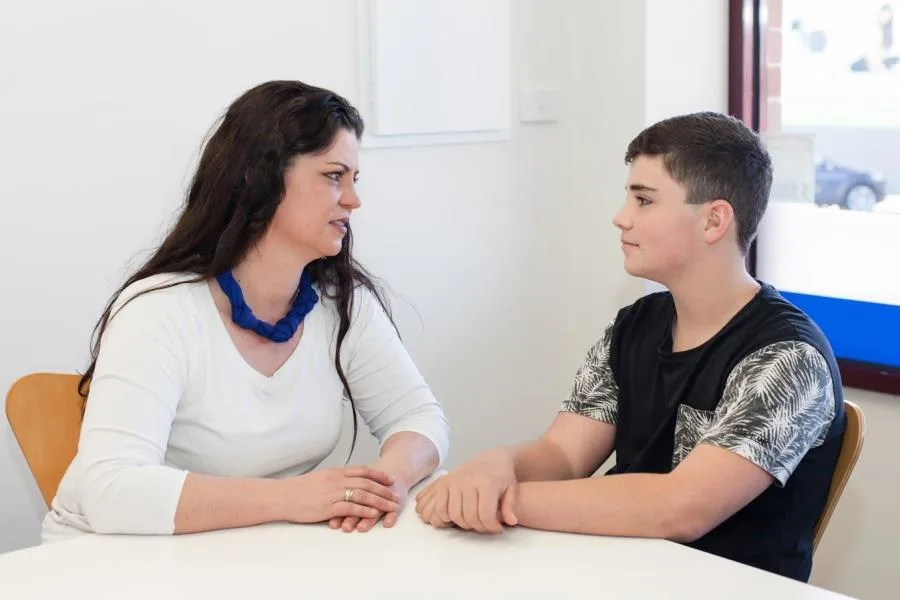
Let others talk. If someone talks to you about something difficult or important, don't interrupt them with a story about yourself, even if it's relevant. Let them finish what they want to say and then help them work out how they feel about it.
Don't judge others. If someone comes to you with a problem, help them work through whatever they're dealing with and suggest options rather than pass judgement.
Accept that they may disagree with you. If someone comes to you for help or advice, don’t expect them to do exactly what you say. While they may have sought your advice, they may also disagree with it. Let them choose their own path.
Ask open questions. Instead of asking ‘yes/no’ questions, use open questions that let the speaker take the discussion in the direction they want. For example: ‘Can you tell me about...?’
Show them you're listening. Ask questions about what they tell you, and recap what they’ve said in different words to see if you've got it right. People will trust you more if they know you're really listening to them.
Be an assertive communicator
There are three main ways to communicate:
Aggressive communication involves speaking in a forceful and hostile manner that alienates others.
Passive communication is characterised by not expressing your thoughts, feelings or wishes. This form of communication can make you feel like others are walking all over you.
Assertive communication involves clearly expressing what you think, how you feel and what you want, without demanding that you must have things your way.
When you are assertive, you can:
express your own thoughts, feelings and needs
make reasonable requests of other people (while respecting their right to say ‘no’)
stand up for your own rights
say ‘no’ to requests from others, without feeling guilty.
Mind your body language
The way you speak – including the volume and tone of your voice, your physical gestures and your facial expressions – has an important impact on how your message will be received. For example, if you fold your arms in front of your chest and look stern, people are likely to feel defensive even before they’ve heard what you have to say.
On the other hand, an open posture, calm voice and relaxed body language will help the other person feel at ease.
Here's an acronym that might help you remember good body language:
R – Be relaxed and comfortable, and don't fidget
O – Adopt an open posture (no crossed arms)
L – Lean towards the person – not too much, but just enough to show interest
E – Maintain eye contact, without staring
S – Face the person squarely
Watch below to see ROLES in action.
Loading Instagram Post - View Post
What can I do now?
Be aware of how your body language can make people feel comfortable.
Practise assertive communication by saying what you think, how you feel and what you want.
Practise asking people about themselves, and remember to let them talk without interruption.
Read about how to have difficult conversations. If you're struggling with communication and want to chat anonymously with someone about it, book in free, text-based chat with a ReachOut peer worker.