
Helping friends
Young people often turn to their mates first for support; you understand each other’s worlds in a way adults might not. Helping a friend through a tough time is one of the most powerful ways we show up for each other. Whether you’re supporting a stressed-out mate, a friend who’s had too much to drink, or navigating heavier challenges like helping a friend experiencing addiction, your presence can make a massive difference.
Knowing how to start is the first step. You might begin by learning how to ask a friend if they’re okay or exploring ways to help a friend with depression or anxiety. However, if you’re worried that your friend is suicidal or in immediate danger, it’s vital to get professional support straight away. You can find contact details for emergency services on our urgent help page.
Remember: you can’t pour from an empty cup. Supporting someone else is incredibly rewarding, but it can also feel overwhelming, so it’s really important to protect your own mental health. Explore our self-care collection to ensure you’re looking after yourself while you’re caring for your mate.
Carrying a friend's struggles can be heavy. If you need to talk through how you’re feeling or get some perspective, our peer workers are here for you. Connect with ReachOut PeerChat for a free, anonymous, and supportive online conversation.
How to ask a friend if they're okay
Worried about a friend? Letting them know you're there for them can make a big difference. Check out our seven simple steps to asking if they're okay.

6 ways to help a friend with depression or anxiety
Check out our tips for helping a friend with mental health concerns, but remember to look after yourself, too.

My friend is suicidal
Having a friend who’s suicidal can be pretty confronting. If you’re worried that a friend is in immediate danger, there are services you can call.

How to help and support a suicidal friend
If someone you know is at risk of suicide, watch our video on how to support them and help them stay safe.

What to do when someone doesn’t want help
You can feel a bit lost when someone close to you needs help but doesn’t want to accept it.
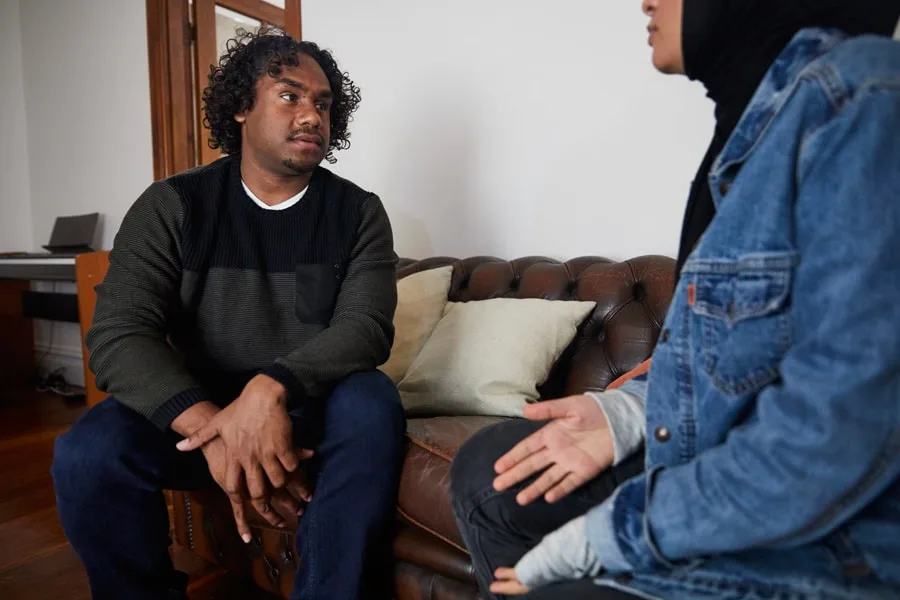
Helping a friend with stress
Got a mate who’s always stressed out? Sometimes people aren’t coping and they need a friend to step in and help them out.
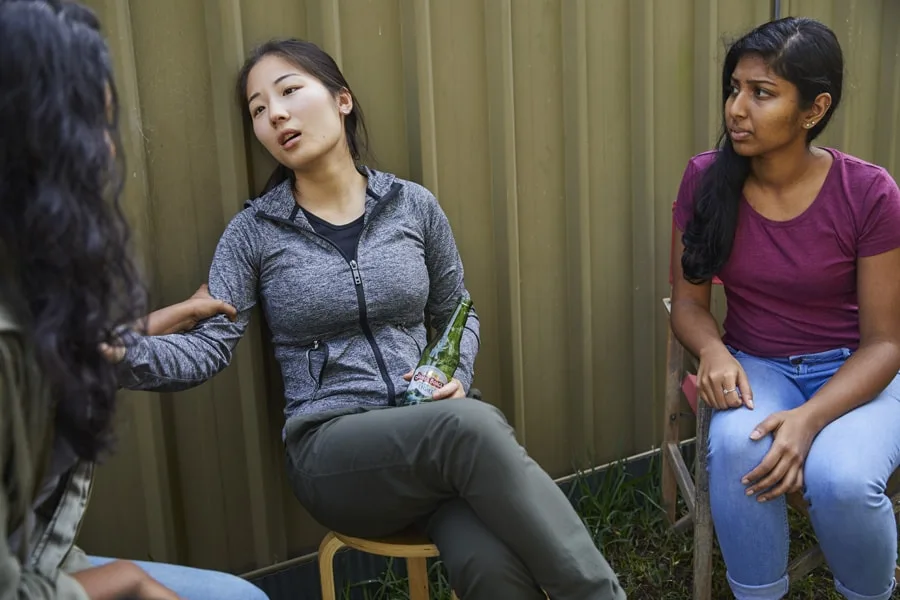
Helping a drunk friend
Friends look out for each other, and that’s especially important when you’ve been drinking. Drinking alcohol involves some very real danger.

How to help a friend with drug addiction
Drug addiction can be a really rough time to go through on your own. Here are some tips on how to help a friend struggling with drug addiction.

How to support people from different cultural backgrounds
We can all make a difference in stopping discrimination and racism in its tracks. Learn how you can support people from different backgrounds and those who experience racism.

Why helping out mob makes us all feel deadly
Your mob is your family and community. Everybody needs a little help sometimes, and the more you help out the stronger mob will be.

Rugby League legend Joe Williams talks about ways to create a safe place for others to ask for help
Rugby League legend Joe Williams and Justin Tall share their story about how to get support in tough times.
Related topics
Frequently asked questions about helping friends
A conversation with a friend about their wellbeing doesn't have to be perfect; it just needs to be genuine. Choose a private, comfortable place where you won't be interrupted. Use open-ended questions and listen without rushing to fix things immediately. Simply showing that you’ve noticed they aren't themselves can be a huge relief for them. For a step-by-step guide, check out how to ask a friend if they’re okay.
Supporting a friend with depression is about being a consistent, low-pressure presence. You can help by encouraging them to seek professional support, assisting with daily tasks, taking phone calls or responding to messages, or simply hanging out. Remember, you aren't their therapist, but your friendship is a vital part of their recovery. It’s important to draw boundaries for your own self-care and decide what is healthy for your relationship and how much you can take on. Check out these 6 ways to help a friend with depression or anxiety.
If a friend mentions wanting to end their life, take them seriously and stay calm. Ask them directly if they have a plan, and do not leave them alone if they are in immediate danger. It is okay to break a promise of secrecy in order to keep them safe. Learn exactly how to respond in our full guide on what to do if your friend is suicidal.
It can be really frustrating to watch a mate struggling while refusing to seek support. You can’t force someone to get help, but you can remind them that you’re there whenever they’re ready. Focus on maintaining the friendship and gently pointing them toward people or services that can help. Learn more about how to help someone who doesn't want help.
Supporting a friend can be emotionally draining, so setting boundaries is essential. Make sure you’re still making time for your own hobbies, sleep, and social life. It’s not selfish to step back when you’re feeling overwhelmed – it’s necessary so that you can continue to be a good friend. Explore our self-care resources for ways to recharge.