
Supporting family
Supporting a family member can be incredibly rewarding, but it also carries a heavy emotional load. You might be supporting a parent with a mental illness, helping a sibling with a disability, or navigating the complexities of addiction within your home. This often means balancing adult responsibilities with school, work, and your social life.
In Australia, you are considered a young carer if you are under 25 and provide unpaid care to a family member or friend who has a disability, mental illness, chronic condition, addiction or terminal illness. Our guide to identifying if you are taking on caring responsibilities can help you understand the nature of your role so that both you and the person you care about can be happier and healthier.
Because caring can be physically and mentally exhausting, prioritising your own wellbeing is really important. Explore our self-care resourcesand read more on looking after yourself when caring for somebody else to ensure you’re recharging your own battery.
You don’t have to do this alone. There are dedicated resources to support young carers, and you can find further specialised help through the Carer Gateway or the Young Carers Network. Remember, seeking support for yourself is a sign of strength, not a failure of your caring role. If you’re feeling overwhelmed or just need someone to listen, our peer workers are here. Connect with ReachOut PeerChat for a free, anonymous, and supportive space to talk things through.

Are you taking on caring responsibilities?
If you’re young and helping to look after someone you care about, you might qualify as a ‘young carer’. Take a look at our checklist to see if you fit the bill.

Resources to support young carers
Providing care for a friend or family member is a big responsibility. Find helpful resources and services in our guide, to get the support you need.

Looking after yourself when caring for someone else
Looking after yourself is a really important part of caring for someone else. Here are a few tips to make sure you’re looking out for number one, as well as the person you’re helping out.

Personal story: sisterly support through a tough time
While it's always hard for someone with a serious illness, it can be just as hard for those who love them. One girl shares her experiences of helping her sick sister.

My parent has a mental illness
Whether your parent has been diagnosed with a mental illness, or you think they have a mental health condition, it’s normal to have conflicted feelings about it.
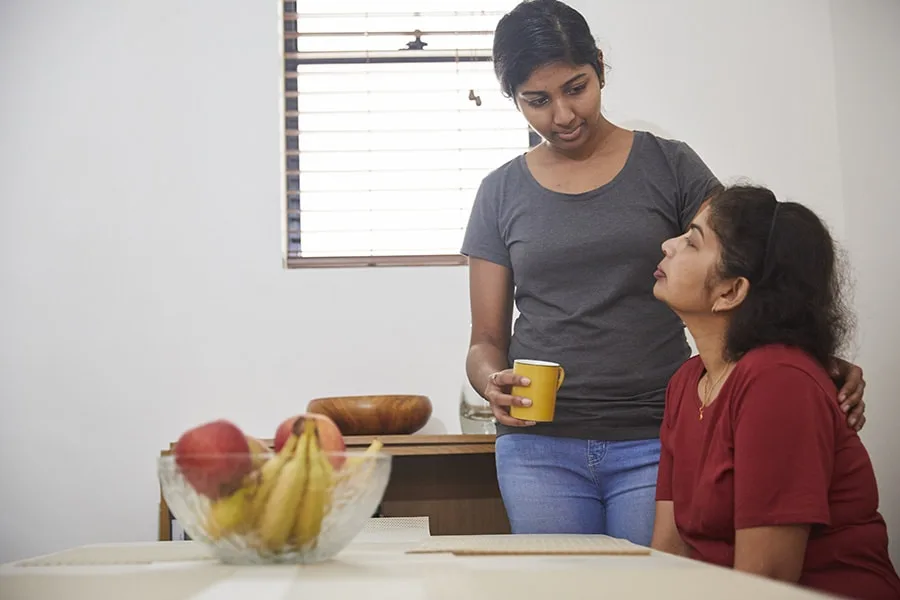
Mothering Mum
This young person had no choice but to help her mother battle schizoaffective disorder. This is the story of how a mother and daughter learnt not to go it alone.

What to do when someone doesn’t want help
You can feel a bit lost when someone close to you needs help but doesn’t want to accept it.
Related topics
Frequently asked questions about supporting family
In Australia, a young carer is someone under 25 who provides unpaid care and support to a family member or friend living with a disability, illness, chronic condition, or addiction. This often means taking on extra responsibilities at home that other people your age might not have. To see if this fits your experience, read more about taking on caring responsibilities.
Caring for a loved one is a big job, and it’s easy to put your own needs last. However, looking after your own mental and physical health is essential so that you don't burn out. This means setting boundaries, making time for your own hobbies, and asking for help when things feel like too much. Find practical tips in our guide on looking after yourself when caring, and check out Carer Gateway for free support and services for carers.
Having a parent with a mental illness can be overwhelming and stressful. You might feel like you have to step up and take care of them or the rest of the family. It’s important to remember that you aren't responsible for solving your parent’s mental health difficulties, and it’s okay to feel a range of intense emotions. Please remember to prioritise your own self-care and consistent healthy habits, and confide in trusted friends and family about how you’re feeling. For support and advice, check out our resources on what to do if your parent has a mental illness.
Many organisations and networks offer young carers everything from financial assistance to peer support groups. Connecting with others who understand your situation and asking for help can make a world of difference. Explore the different resources available for young carers to find the right support for you.