
Eating disorders
An eating disorder is a serious mental health condition that affects how someone thinks and feels about food, eating and their body — it's not a diet, a phase, or something to do with willpower. There are several types, including anorexia nervosa, bulimia nervosa, binge eating disorder, ARFID and body dysmorphic disorder, and they can affect anyone, of any age, background, socioeconomic status, gender or body size. Eating disorders impact your physical health, mental health, brain function, body image, relationships, school or work, and day-to-day life. Recovery is possible, and the first step is usually just talking to someone you trust. This page can help you understand the different types of eating disorders, recognise the signs, and find out where to get help for yourself or someone you care about.
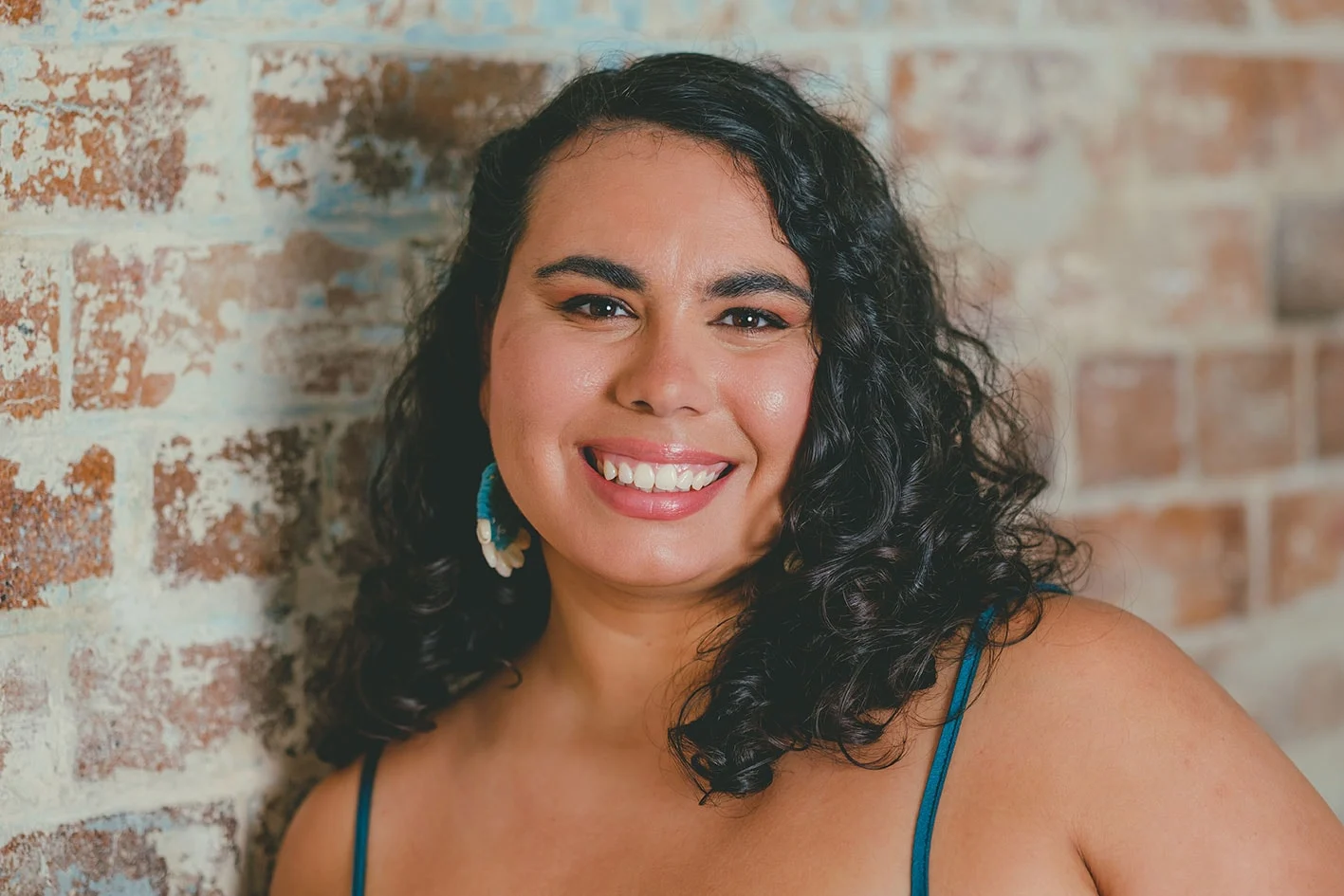
Garra's story of recovering from an eating disorder
Garra shares her experience of recovering from an eating disorder as an Aboriginal woman.
Eating disorder helplines and support services
If you or someone you care about is living with an eating disorder, there are helplines and support services available across Australia that can help now.
Eating disorder treatments
There are a number of different types of eating disorder treatments, as well as different health professionals you can talk to about them.
What is bulimia nervosa?
Bulimia nervosa is a type of eating disorder that involves eating a large amount of food and then trying to ‘get rid’ of the calories consumed.
What is Binge Eating Disorder?
There are signs that indicate someone might have Binge Eating Disorder, might be binge eating and there are a number of ways to get help.

What is anorexia nervosa?
Anorexia nervosa is a type of eating disorder. Symptoms of anorexia can include an obsessive fear of gaining weight, low body weight and body dysmorphia.
Recovering from an eating disorder
It can be difficult to think about what it means to recover from an eating disorder. You might also find it challenging to come up with good reasons for recovering.
It’s okay to admit you have a mental illness
A young person shares her experiences with bulimia, psychotic depression and a desire to end her life.
How to help a friend with an eating disorder
Various services offer help with eating disorders, but there are also things that you can do to support someone you care for.

Bronwyn’s recovery from anorexia nervosa
Bronwyn talks about her experience of recovering from an eating disorder. She initially describes feeling like her obsession with food would never end.
Related topics
Frequently asked questions about eating disorders
An eating disorder is a serious mental health condition where a person's thoughts, feelings and behaviours around food, eating and body image cause significant distress and disturbance to their health and daily life. It's not a lifestyle choice or a diet. It's a real illness, and it can affect anyone regardless of age, gender, body size or background. Getting support early makes a real difference to recovery.
Signs of an eating disorder can include changes to eating habits and appearance, a preoccupation with weight, food intake or body shape, withdrawing from friends and activities, and changes in mood or energy. These signs look different for everyone, and someone can be struggling even if their appearance hasn't changed. If you're noticing these changes in yourself or someone you care about, it's worth talking to a doctor or trusted adult rather than waiting to 'be sure.'
There's no single cause: eating disorders usually develop from a mix of genetic, psychological, social and environmental factors. Things like anxiety, perfectionism, difficult life events, family history, and pressure from social media or peers around body image can all play a role. Understanding this can help take away the shame, since it's not about willpower or vanity.
Yes, recovery from an eating disorder is possible, and the earlier someone gets support, the better the outcomes tend to be. Recovery isn't always a straight line and can take time, but with the right treatment team (like a GP, psychologist and dietitian, and sometimes an inpatient stay in hospital) and support from people around them, people do get better. If you're supporting someone, patience and consistency matter more than quick fixes.
Start by listening without judgement and letting them know you're there for them, rather than commenting on their weight, food or appearance. Gently encourage them to talk to a trusted adult or health professional, and offer to help them take that first step if they're finding it overwhelming. You don't have to fix it yourself. Your role is to support them toward professional help, not replace it.
You can start with your GP, who can assess what's going on and refer you to specialists like a psychologist or dietitian. The Butterfly Foundation National Helpline (1800 ED HOPE / 1800 33 4673) offers free, confidential support, and Kids Helpline (1800 55 1800) and eheadspace are also good starting points for young people. If it's an emergency, call 000 or go to your nearest emergency department.
Anorexia nervosa typically involves restricting food intake and an intense fear of weight gain, often leading to low body weight, while bulimia nervosa involves cycles of eating large amounts of food followed by behaviours to compensate, like vomiting or excessive exercise. Both are serious illnesses that can occur at any body weight, and a person doesn't need to 'look sick' for either to be real and worth taking seriously.
Yes, eating disorders affect people of all genders, though they're sometimes under-recognised and under-diagnosed in boys and men because of stereotypes about who gets them. Around 15–20% of people with anorexia or bulimia in Australia are male, and rates of muscle-focused disordered eating are also a growing concern. If you're a guy struggling with food, exercise or body image, the same support options apply to you.