
Neurodivergence
What is neurodivergence? Neurodivergence is a word used to describe brains that learn, process information, and experience the world differently from what’s typically expected. The term is used to encapsulate many spectrum behaviours such as autism and ADHD, as well as dyslexia, dyspraxia, and Tourette’s. Having a neurodivergent brain doesn't mean something is broken or needs to be fixed. It is simply a natural, normal part of human diversity.
Having a neurodivergent brain comes with unique strengths, natural advantages and cool ways of thinking. But it is also true that the world wasn't always built with every type of brain in mind, which can be the cause of a lot of distress and difficulty coping among neurodivergent individuals. Things like busy social settings, noisy rooms, bright lights, or staying organised can take a lot more energy and appear harder to navigate for you than for others. Feeling drained by these things isn't your fault. It just means the environment around you wasn't set up to support your needs and was designed with the assumption that everyone copes in the same way.
Understanding how your brain works can be super freeing. It helps you speak up for what you need at school, at work, or in your everyday life, and helps you build self-care and operational habits that actually work for you.

Am I neurodivergent?
Asking yourself this question can feel scary and confusing. Check out this guide on neurodivergence to help you start getting answers.

How do I know if I have autism?
Have you been wondering whether you might be autistic? Learn more about the signs of autism and what you can do next.

ADHD: From teens to twenties
Comedian Rudy Jean Rigg and psychologist Rashida Dungarwalla discuss ADHD, autism, the journey to diagnosis and finding community and support.

Do I have ADHD?
If you’ve been wondering if you have ADHD, check out this article from Dr Amy Burton on ADHD symptoms, types of ADHD, and how to get a diagnosis of ADHD.

Autism and mental health
Autism and mental health are connected in lots of different ways. Learn more about these links, explore strategies to manage your mental health and wellbeing, and find support that works for you.

ADHD: Everything you need to know
We talk about what ADHD is, ways it can affect your life, and what you can do if symptoms of ADHD are impacting your wellbeing.
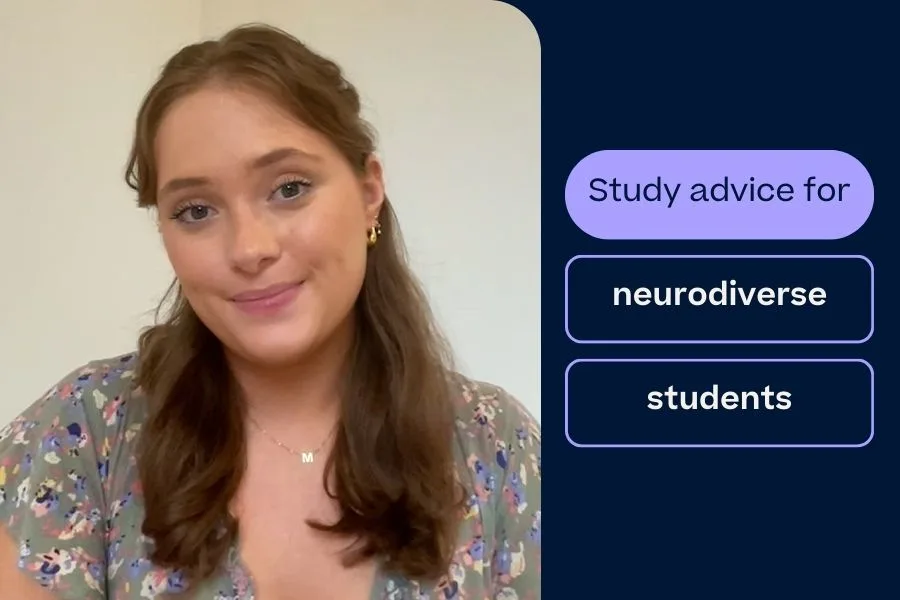
Study advice for neurodiverse students
Hear how uni student Phoebe manages the challenges of studying with dyslexia.

4 things you might not know about OCD
OCD is a common, but often misunderstood, anxiety disorder. In this article, we talk about four things you might not know about this complex condition.
Learning to love having ADHD
Life with ADHD can sometimes be challenging – but there’s plenty to appreciate, too. Here’s how you can learn to love your ADHD, and make the way your brain functions into your superpower.
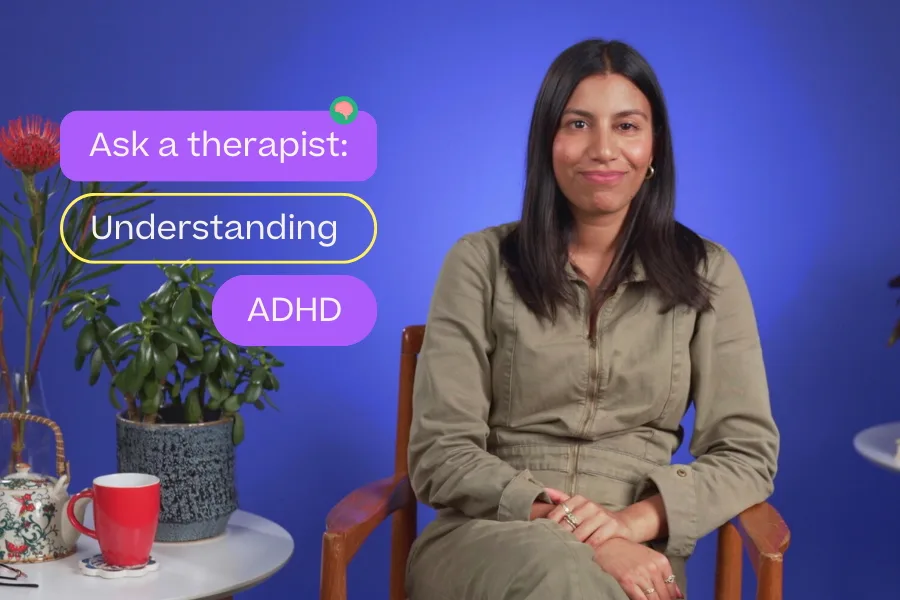
Ask a therapist: Everything you need to know about ADHD
We asked registered psychologist Rashida Dungarwalla about symptoms of ADHD, types of ADHD, and ways to get help.

ADHD in women and girls
Learn more about ADHD in women and girls, what symptoms can look like and how to get support if you think you might have it.

5 ways ADHD affects your life that you might not expect
ADHD exists outside of the classroom and the workplace. Here are some surprising ways that ADHD can affect your life (and no, they’re not all bad).
Frequently asked questions about neurodivergence
Neurodivergence is a term for people who have brains that function, processes information and behave in a different way to others. It covers a lot of diagnoses and behaviours, including autism, ADHD, and dyslexia. Instead of seeing these differences as problems, these differences are seen as normal variations across the human species. It affects how you think, feel, and react to things every day, giving you a mix of strengths and specific things you might need help with. Learn more about neurodivergence.
Neurodiversity is the idea that human brains naturally vary. It's a term used to recognise all of the different (and equally valuable) ways people think and experience the world.
Neurodivergent is a non-medical term used to describe people whose brains work differently from what's considered 'typical'. It's not a diagnosis – it's an umbrella term that captures many different conditions, such as ADHD and dyslexia. Some people prefer using the terms neurodiverse or neurospicy to describe their experience.
You might wonder if you are neurodivergent if you have always felt like you handle things differently from people around you. Maybe you find it hard to stay focused, get stressed out by loud sounds, or find social rules confusing. Reading about autism or ADHD is a great way to see if other people's experiences sound like yours. You don't need an official diagnosis to start experimenting with alternative methods and strategies that help your brain and behaviour, but getting assessed by a professional can help if you require medication to support your daily functioning or want to outline specific accommodations to help you thrive in your school or workplace. Learn more about neurodivergence.
Yes, people with ADHD are considered neurodivergent because ADHD causes the brain to function differently from what’s considered ‘typical’. This doesn’t mean people with ADHD aren’t ‘normal’ — it just means they have unique ways of thinking and learning. Check out everything you need to know about ADHD.
ADHD and autism can happen together, but they are two different things. ADHD mostly affects how you manage your focus, energy, and choices throughout the day. Autism is a brain difference that affects how you communicate, process sensory input like noise or light, and engage with routines or deep interests. Knowing which traits match your experience can help you pick the right tools for school, work, and everyday life. Learn more about neurodivergence.
Yes, people with dyslexia are considered neurodivergent because their brains process language and reading differently from what’s seen as ‘typical’. Watch Phoebe’s story about studying with dyslexia to learn more about the condition.
Masking is when neurodivergent people hide or change their natural behaviours or feelings to fit in with neurotypical expectations. For example, they might suppress their stimming or avoid talking about their special interests so that they don’t stand out. Masking can be intentional, but it’s often done subconsciously. Masking can lead to exhaustion, social fatigue, isolation, and identity issues. Check out how autism can affect your mental health for more information.
While masking is typically seen as an autistic trait, people with ADHD or other neurodivergences mask and can experience neurodivergent burnout. Women and girls with ADHD are often overlooked for an ADHD diagnosis due to masking and not seeming ‘ADHD-enough’. Learn more about ADHD in women and girls.
Neurodivergent burnout can happen when someone with ADHD, autism or another neurodivergent condition feels overwhelmed from masking. It often leads to fatigue, stress, and trouble thinking clearly. You can help prevent it by practising self-care, setting healthy boundaries, and finding supportive, neuroaffirming spaces where you can be yourself.
There is some disagreement among researchers, medical professionals and people with OCD (obsessive-compulsive disorder) about whether OCD sits under the neurodivergent umbrella. Some people consider it a neurodivergent condition because it affects the way the brain works. Take a look at more things you might not know about OCD.
Neurodivergence is unique to every individual, but conditions like ADHD and autism can look different across genders. Historically, research into neurodivergence has been centred on men, which means that diagnoses were based on their experiences. But modern research has shown that these conditions present differently in women and girls due to a range of reasons, including social expectations and gender norms. Because of this, women and girls are often misdiagnosed, undiagnosed, or diagnosed later in life.
For more about how ADHD shows up in women and girls, check out our guide to ADHD in women and girls.
Anxiety isn’t considered a neurodivergent condition, but many neurodivergent people experience high levels of anxiety. Living as a neurodivergent person in a neurotypical world can be overwhelming and stressful. Masking can also lead to high levels of social anxiety. Check out some helpful management strategies in our guide to managing anxiety and stress.
Getting support starts with understanding what your brain needs and being kind to yourself. Luckily there is now a lot of knowledge and acceptance around neurodivergence in schools, workplaces and families. You can talk to your GP, a psychiatrist or psychologist to become assessed for a formal diagnosis. A diagnosis can help you get extra support at school or work, including medication options where appropriate. Finding other neurodivergent friends can also make a huge difference in how you feel. Small changes like wearing noise-cancelling headphones or breaking big tasks into small steps can help you set up your day so you can truly thrive. Learn more about neurodivergence.