
Gender
What is gender identity? Gender identity is your deeply felt, personal sense of who you are, whether that’s a man, a woman, a mix of both, neither, or somewhere else along the broad gender spectrum. It is separate from the sex assigned to you at birth based on physical characteristics and can evolve as you grow and learn more about yourself.
For plenty of young people, experimenting with and reflecting on their gender plays a natural role in personal growth and forming their identity. You might find your inner self lines up with the sex noted on your birth certificate (also known as being cisgender), or you might find that identifying as transgender, non-binary, or gender diverse feels more accurate. Along this journey, some people experience gender dysphoria, a feeling of discomfort when physical traits clash with the gender they identify as. Feeling this way can be tough, but support exists to help process those emotions and grow confident and comfortable in your skin.
Uncertainty during this process is completely normal. Settling on a specific label has no deadline, and living authentically looks different for everyone. While stepping out into social settings can bring worries about acceptance or bullying, keeping yourself safe and well comes first. However you choose to express yourself, and whatever your sexuality might be, you deserve dignity, care, and full respect for who you are.
We are also living in an era where conversations and reflections about your gender are encouraged and supported. There are many wonderful safe spaces and resources where you can go and find like-minded individuals to align your journeys with, so please know that you can access this support in whatever way feels most comfortable.










Related topics
Frequently asked questions about gender identity
Gender identity is your personal, internal sense of who you are. It’s how you feel inside and how you choose to describe yourself, whether that’s as a man, a woman, both, neither, or somewhere else on the gender spectrum. Unlike the clothes you wear or how you act, gender identity is about your baseline knowledge of your own self. It’s a core part of your overall identity, and for many people, it can be fluid or change over time as they learn more about themselves and how they fit into the world. Learn more about gender.
People tend to mix gender and sex up, but they cover very different ground. Sex centres on biological traits present at birth, including chromosomes, hormones, and physical anatomy. Gender exists as a personal and cultural experience, focusing on your internal sense of self. Aligning with your assigned biological sex makes you cisgender, while feeling a disconnect marks the experience of being transgender or gender diverse. Recognising the gap between the two brings a lot of clarity when figuring out where you fit. Read more about the difference between gender, sex and sexuality.
Non-binary serves as a broad term for anyone whose identity falls outside the standard choice between man and woman. Someone under this umbrella might identify with aspects of both genders, feel completely disconnected from either, or relate to an entirely different experience. Pronoun choices vary widely too — some go with they/them, others prefer he/him or she/her, and many mix them up. There is no set way a non-binary person has to present visually; the identity comes down entirely to how you feel inside. Explore more about what being non-binary means.
Gender dysphoria describes the deep emotional distress that crops up when biological traits or external labels clash with someone's internal gender identity. This discomfort might stem from physical features, how society reads a person, or the gendered expectations thrown their way. Not every trans or gender-diverse person goes through dysphoria, but for those who do, the experience can weigh heavily on everyday mental health. Finding affirming spaces and honouring your truth offers relief, and reaching out for support makes a big difference when things get heavy. Find out more about understanding and managing gender dysphoria.
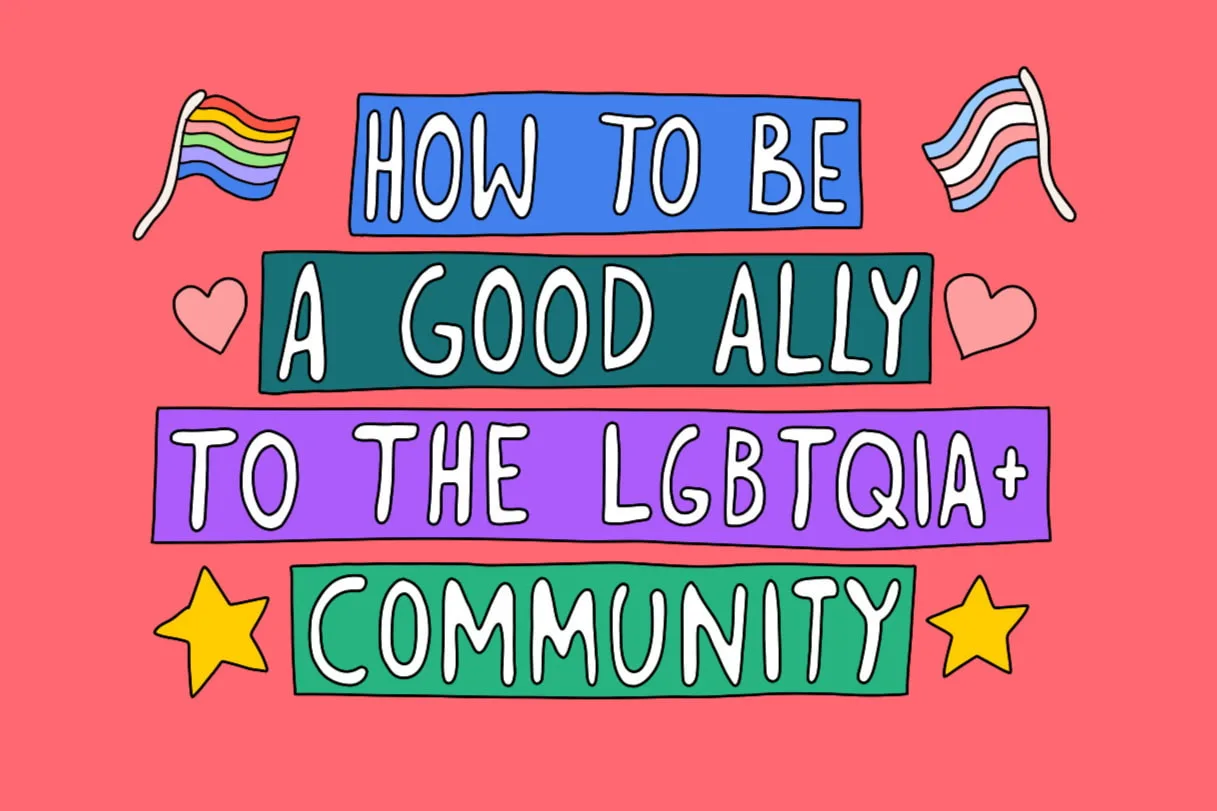
Show up for them by listening closely and letting them set the pace. When they share a new name or updated pronouns, make a deliberate effort to use them consistently. This straightforward step demonstrates genuine respect. Skip personal questions about medical choices or their body, focusing instead on being a steady, non-judgemental presence. Standing up for them if they face harsh treatment or exclusion gives them the safety they need to step into who they are. Check out our guide on how to be a great ally to an LGBTQIA+ person.