
Anxiety
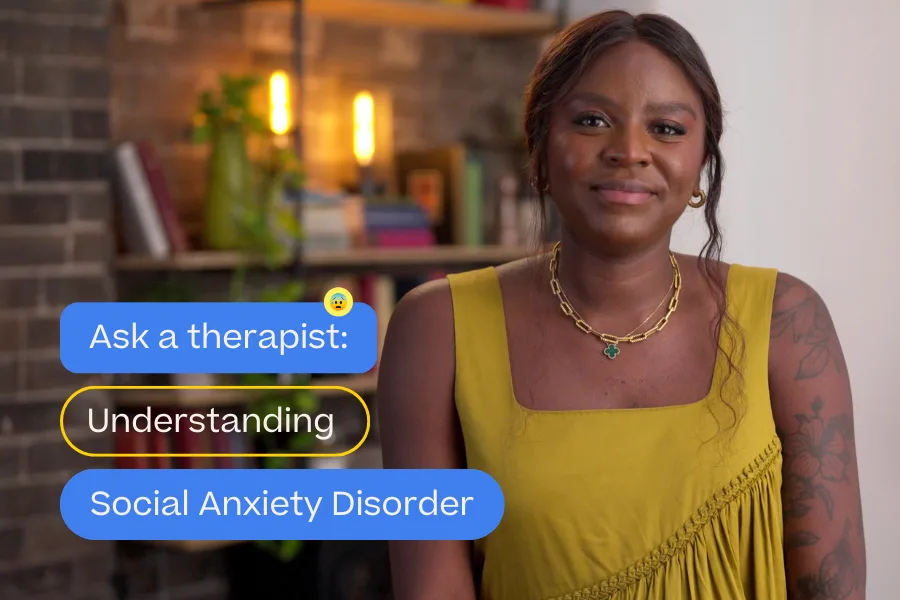
It’s completely normal to feel a bit on edge before a big exam, a first date, or a job interview. That’s your body’s natural way of preparing you for a challenge, often triggered by stress. However, for many young people, these feelings don't just go away once the stressor has passed. In Australia, anxiety affects roughly 1 in 4 young people. It's also very common for people to experience signs of depression alongside anxiety. If you feel like your worries are taking over, you’re definitely not alone. Anxiety isn't just one thing; it can show up in many different ways. Some people experience generalised anxiety disorder (GAD), where they feel worried about many different things most days. Others might deal with social anxiety disorder, which is an intense fear of being judged in social situations, or panic disorder, involving sudden, overwhelming surges of fear. There are also specific phobias, and conditions like obsessive compulsive disorder (OCD), where repetitive thoughts and rituals become difficult to manage. The good news is that anxiety is very manageable, and there are plenty of ways to feel more in control of what's going on. You might start by exploring different coping skills to find what helps you feel grounded. Whether you're looking for self-help strategies or ready to reach out for professional help, taking that first step is a sign of strength. If you’re feeling overwhelmed right now and want to talk it out with someone who gets it, you can check out PeerChat. It’s a free, anonymous text-based service where you can connect with a peer worker who has their own lived experience with mental health challenges.













Related topics
Frequently asked questions about anxiety
Anxiety is more than just feeling stressed. It’s a persistent feeling of apprehension or dread that stays with you even when there’s no immediate threat. It can affect how you think, feel, and behave in your daily life. Learn more about the basics of anxiety and how it differs from everyday worry.
Anxiety can be physical and emotional. You might notice a racing heart, shallow breathing, butterflies in your stomach, or trouble sleeping. Mentally, it often feels like 'racing thoughts' or constant worrying. Check out our guide on symptoms of anxiety to see if what you're feeling is common.
Common types include generalised anxiety disorder (GAD), social anxiety disorder, panic disorder, specific phobias, and OCD. While they feel different, they all involve intense worry that impacts your daily life.
Anxiety is one of the most common mental health challenges for young people in Australia. About 1 in 4 people aged 16–24 will experience an anxiety disorder in any given year. Read more about anxiety.
There’s rarely just one cause. It’s usually a mix of things like genetics, brain chemistry, personality, and life experiences like a stressful event or long-term pressure. Understanding what causes anxiety can help you feel more in control of your journey.
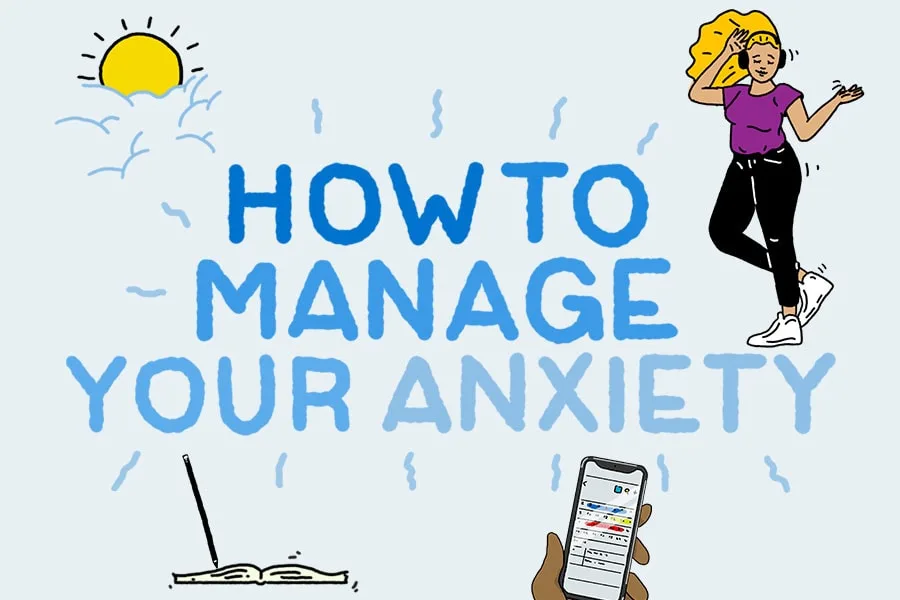
You could try things like deep breathing, mindfulness or keeping a mood journal. Finding the right coping skills is a process, and it’s okay to try a few different things to see what works for you. Get more tips on how to manage anxiety.
If your anxiety is stopping you from doing things you usually enjoy, affecting your school or work, or making you feel constantly exhausted, it’s a good idea to reach out. Learn how to get professional help for anxiety.
There are many evidence-based treatments, including cognitive behavioural therapy (CBT). In some cases, a GP might discuss medication. You can explore different types of professional support to see what fits your needs.
The best thing you can do is listen without judgement. Ask them how they’re feeling and let them know you’re there for them. We have a guide on how to support a friend with anxiety to help you navigate those conversations.
PeerChat is a free, text-based service from ReachOut where you can chat with a peer worker. These are young people who have been through their own mental health journeys and can offer support and a listening ear in a safe, anonymous space.