
Communication skills
The way we communicate affects every part of our lives, from how we get along with friends to our confidence at school or work. Good communication isn't just about being a smooth talker; it’s about making sure you’re heard and truly hearing others.
When we communicate well, we build stronger trust and resolve conflicts faster, which is a big win for our mental wellbeing. This collection covers the essentials of connecting with others, including key tips for better communication and handling difficult conversations.
Whether you’re learning to be more assertive, practising active listening, or figuring out how to say sorry, these skills are tools you’ll use for life. Learning to talk openly about your mental health or your needs is an act of self-care that helps you build the relationships you deserve.
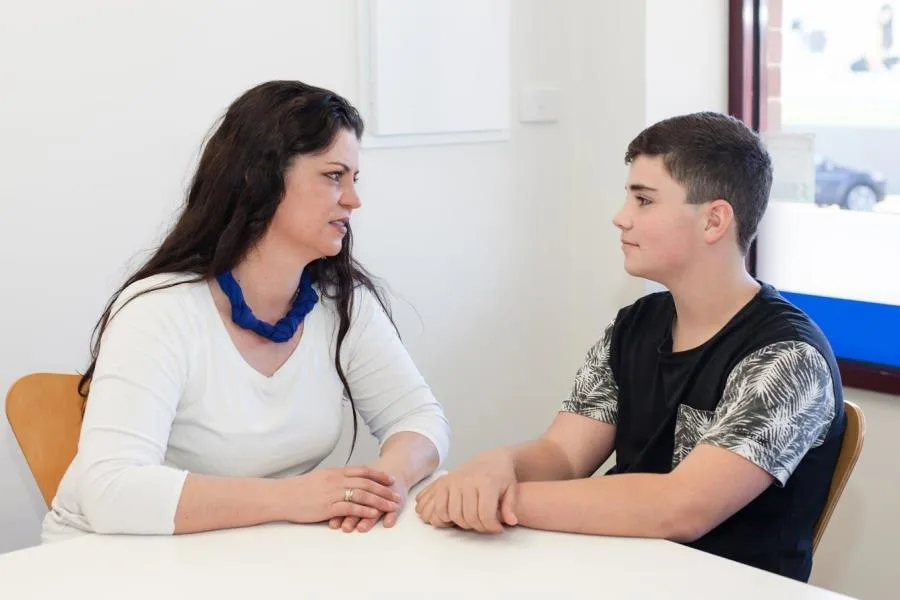
3 steps to better communication
Communicating well can help you to maintain good relationships, avoid conflict and even increase your likelihood of getting what you want.
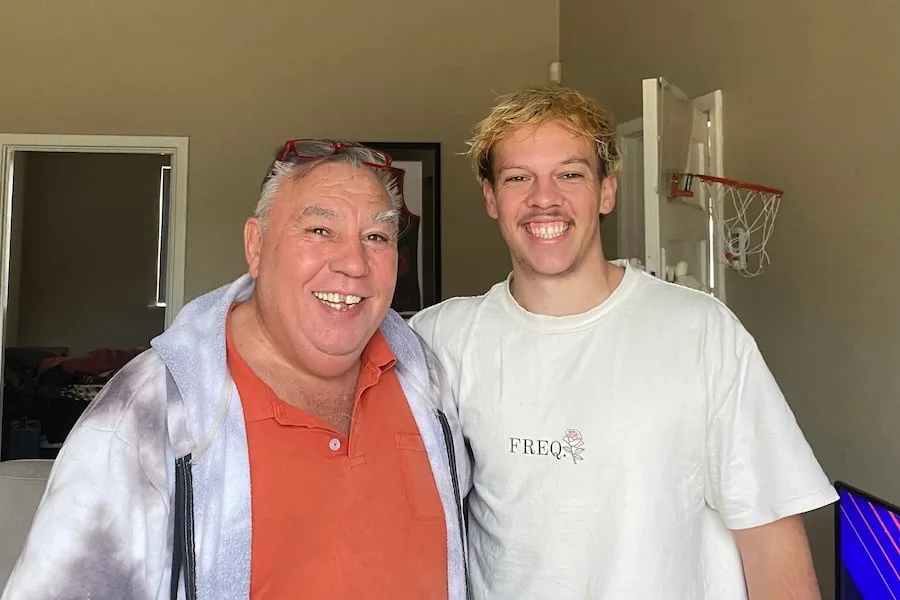
How to find your trusted person when you need support
During tough times, it's important to have someone you can talk to. Wangkatha man Benjamin (Woobilie) Stubbs shares his tips on how you can find your trusted person.

Quiz: What’s your boundary style?
Setting boundaries to protect your space, time and energy can be complicated. Take this quiz to learn your boundary style and get tips for building respectful relationships.

5 ways to get your parents to really listen to you
Good communication with your parents or carers is key to having your life run smoothly. Here are some tips for getting your message across.

6 steps to help you tackle difficult conversations
Difficult conversations with family, friends or workmates are stressful, but avoiding them doesn’t help anyone. Click here for 6 practical steps you can follow.

How to say 'sorry' and mean it
When you've done something wrong and need to apologise to someone, it can be tricky to know where to start.
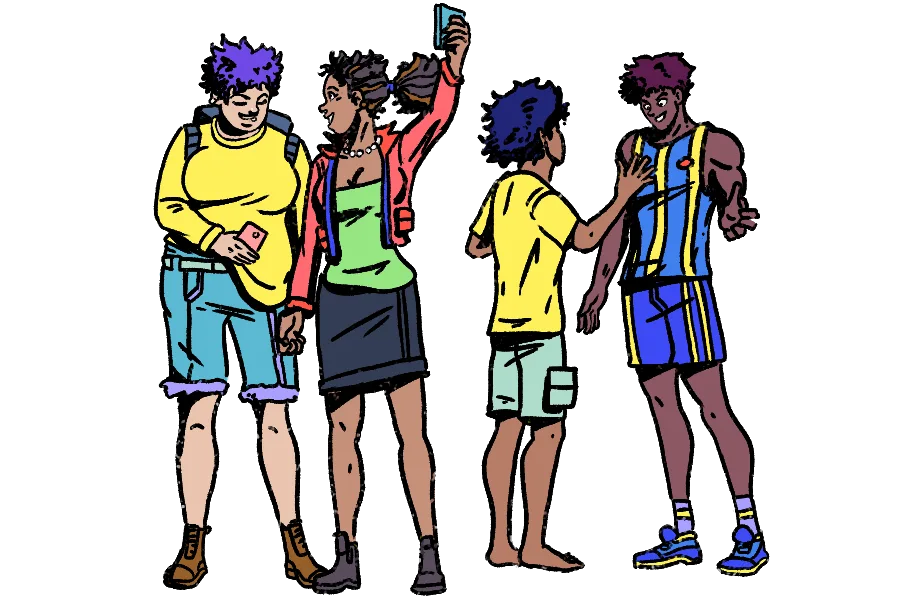
Why yarning matters
Yarning and storytelling has been supporting First Nations wellbeing for thousands of years. Hear from Phoebe about why it’s so important for young Aboriginal and Torres Strait Islander people to have a yarn when they need it.
How to ask a friend if they're okay
Worried about a friend? Letting them know you're there for them can make a big difference. Check out our seven simple steps to asking if they're okay.

How to tell people about your mental illness
While it’s great that you’re on the path to getting well again, telling people about your illness can bring on anxiety and stress.
Why talking helps
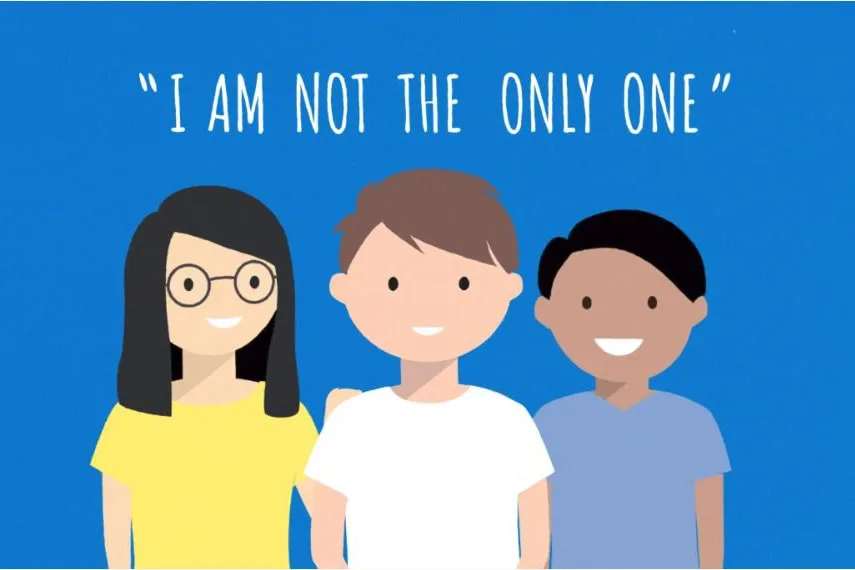
When you're going through a tough time, one of the best and most effective things you can do to feel better is to talk to someone.

A guide to discussing politics with friends and family
Talking about politics can be interesting, but it can also lead to arguments. Here’s some tips on how to discuss politics productively and safely.

5 steps to talking to someone you trust
Often the best way to deal with an issue is to talk to someone you trust. Here’s the step-by-step guide on how to talk to someone.
A guide to conquering social awkwardness
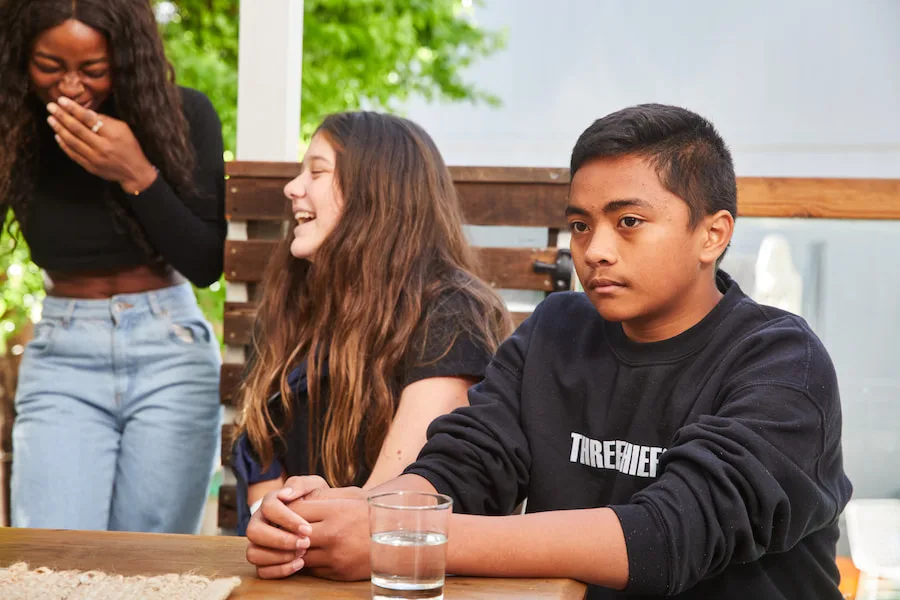
Feeling socially awkward? Get some practical tips to boost your confidence, improve your conversation skills and navigate any social situation.
Your questions answered
Get anonymous, professionally backed answers to your questions, sourced from ReachOut articles and resources. Just Ask ReachOut.
Related topics
Frequently asked questions about communication skills
Good communication involves active listening, being clear and honest, and using non-verbal cues and body language to show you’re engaged. This can look like putting away your phone, maintaining eye contact, asking clarifying questions, and following up on events that happened recently. It can also help to notice the other person’s non-verbal cues to understand how the conversation is flowing, such as their own body language, their facial expressions, and how distracted they are. Read more in our guide to better communication.
Difficult conversations are never easy, which often leads us to avoid them. When having a difficult conversation, choose a time and place that works for both of you, listen carefully, look at the issue from their point of view, and be clear about what you hope to resolve. It’s also okay to have a couple of conversations rather than just one, as it can help reset tensions and get your mind clear. Get some tips on how to have a difficult conversation.
Improving your listening skills is the backbone of good communication. You can try:
listening to understand before responding
putting away distractions and giving them your full attention
stopping yourself from interrupting
being mindful of your non-verbal cues such as nodding your head, maintaining eye contact and sounds of understanding
asking follow-up questions to show you’re engaged.
Telling someone that they’ve hurt you can be uncomfortable, but sometimes it’s important to face it head on. Remember, even though you’re hurting, it's helpful to be direct but still kind. Explain exactly what happened, how it made you feel, and what you need from them moving forward. Get some tips on how to tell a friend they’ve hurt you.
A real apology involves taking responsibility without making excuses, acknowledging the hurt you caused, and showing how you’ll do things differently next time. Even though it can be uncomfortable to admit your mistakes, learning to say sorry honestly will help you in all kinds of relationships.